BFR Training: Benefits and How to Use It
By Jon Klipstein, U.S. Army Combat Veteran & Founder of Die Tryin Co., and Chet Nichols, IFBB Pro & Die Tryin Co. Coach
Science reviewed by Onur Oncer, BS Physiology (Phi Beta Kappa) and peer-reviewed published researcher.
BUILD MUSCLE WITH LIGHT WEIGHT
What if you could grow muscle with a fraction of your usual weight? That's the promise of BFR — blood flow restriction training — and unlike most "one weird trick" claims, this one has real science behind it. By cuffing a limb and training with light loads, you can drive growth that normally takes heavy lifting.
It's not magic, and it's not for everyone or every session. Here's what BFR is, why it works, exactly how to use it, and the safety rules you don't get to skip.
WHAT IS BFR TRAINING?
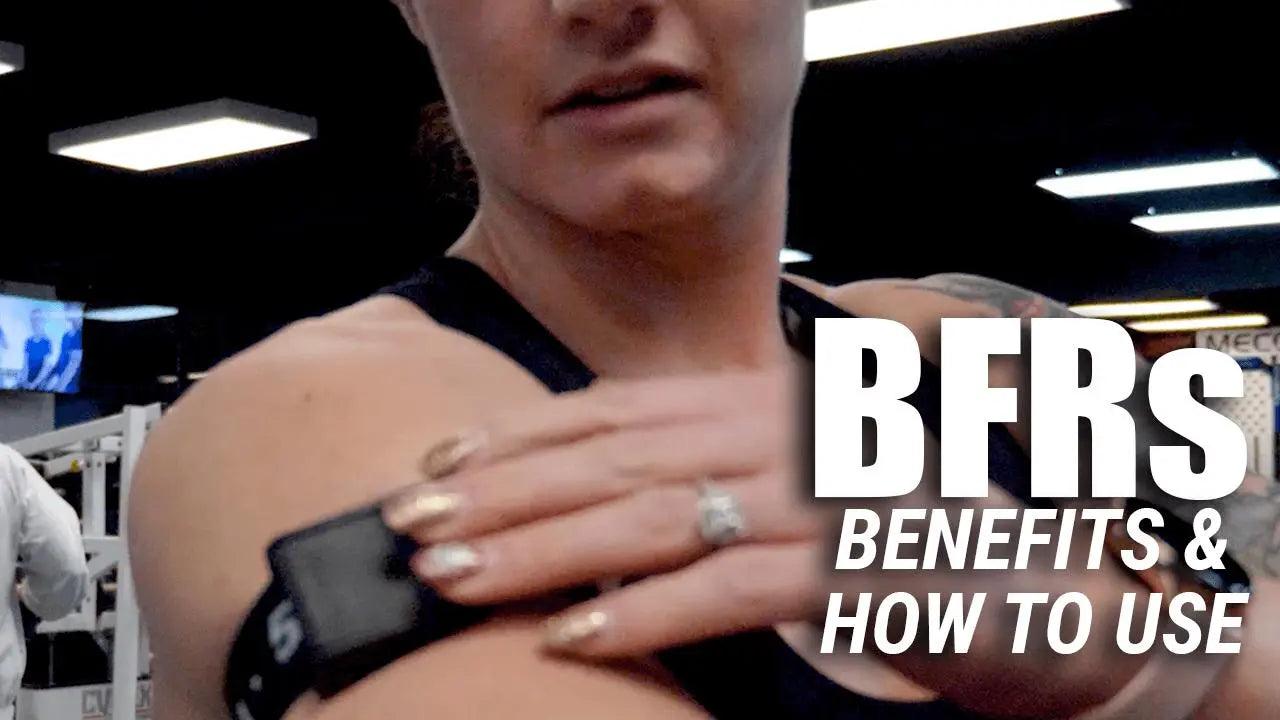
BFR involves wrapping a specialized cuff or band around the top of a working limb — your arm or your thigh — to partially restrict blood flow while you train. The key word is partially: you're slowing the blood leaving the muscle (venous return), not cutting off the blood coming in. You then train that muscle with light weight and high reps.
That restricted, blood-pooled environment fatigues the muscle fast and triggers a growth response similar to what you'd get from heavy lifting — but at 20–30% of the load. It's also known as occlusion training or KAATSU.
THE BENEFITS
The appeal is real. According to a 2019 position stand on BFR published in Frontiers in Physiology, the technique can enhance muscle strength and hypertrophy with light resistance, and can even help prevent muscle loss when used passively. The practical wins:
- Grow with light loads. You get a heavy-training-like stimulus using weights light enough to be far gentler on your joints, tendons, and connective tissue.
- Joint- and injury-friendly. This is why physical therapists use BFR in rehab — you can train and maintain muscle around an injury without loading it heavily.
- A perfect deload or finisher. On a light week, around a cranky joint, or as an arm-pump finisher, BFR lets you keep stimulating growth without the heavy systemic fatigue.
HOW TO USE BFR
The protocol matters. Here are the standard guidelines:
| Variable | Guideline |
|---|---|
| Load | 20–30% of your 1RM (light) |
| Cuff placement | High on the limb — top of the arm or thigh |
| Pressure | Snug, not fully occluding (~7 out of 10 tightness) |
| Reps | ~30 reps, then 3 sets of 15 |
| Rest | 30–45 seconds between sets (keep the cuff on) |
| Best for | Arms and legs only |
Good exercises: biceps curls, triceps pushdowns, leg extensions, leg presses, and leg curls. Expect the pump and the burn to hit hard and fast — that's the technique working, not a problem.
STAY SAFE — THE NON-NEGOTIABLES
BFR is well-tolerated when it's done right, and the position stand concluded it's safe under proper application. But "proper application" is the whole point. The rules:
- Never fully cut off blood flow. The cuff restricts blood leaving the muscle — it should never block the arterial flow coming in. It should feel snug, not numb, painful, cold, or tingling. If you lose sensation, it's too tight.
- Limbs only. Arms and legs. Never wrap your trunk, neck, or chest.
- Use proper gear. Purpose-built BFR cuffs apply controlled, even pressure. A random band or wrap can over-tighten unevenly — not worth the risk.
- Know your contraindications. If you have a history of blood clots, cardiovascular disease, high blood pressure, varicose veins, or you're pregnant, talk to your doctor before trying BFR.
- Keep it short. Remove the cuffs between exercises and don't leave them on for extended periods.
When in doubt, get hands-on guidance from a qualified coach or physical therapist. BFR is a legitimate tool — it just deserves respect.
WHO BFR IS FOR
BFR isn't a replacement for normal progressive training for healthy lifters — most of your growth should still come from getting stronger over time. Where it shines is the specific cases: training around an injury or a cranky joint, deload weeks, busy days when you want a fast stimulus, or squeezing extra growth out of stubborn arms. Used in the right spot, it's one of the most useful tools in the box.
FREQUENTLY ASKED QUESTIONS
Does BFR training actually build muscle?
Yes. Research shows BFR can produce gains in muscle size and strength using light loads, making it a well-supported technique — not a gimmick. It's effective enough that it's widely used in physical therapy and rehab settings.
How tight should a BFR cuff be?
Snug but never fully occluding — around a 7 out of 10 on a tightness scale. You should feel pressure and get a strong pump, but never numbness, sharp pain, or a cold, tingling limb. If you do, loosen it immediately.
What weight should I use with BFR?
Light — about 20–30% of the most you could lift once. The restriction does the heavy lifting, so to speak, so the actual load stays low while the muscle fatigues quickly.
Is BFR training safe?
When applied correctly with proper cuffs on the arms and legs, research considers it safe for most healthy people. It's not appropriate for everyone, though — anyone with a circulatory or cardiovascular condition, or who is pregnant, should consult a doctor first.
How often can I do BFR?
It can be used more frequently than heavy training because it's lighter on the joints and nervous system, but it's best used purposefully — as a finisher, a deload tool, or around an injury — rather than for every set of every session.
READY TO GEAR UP?
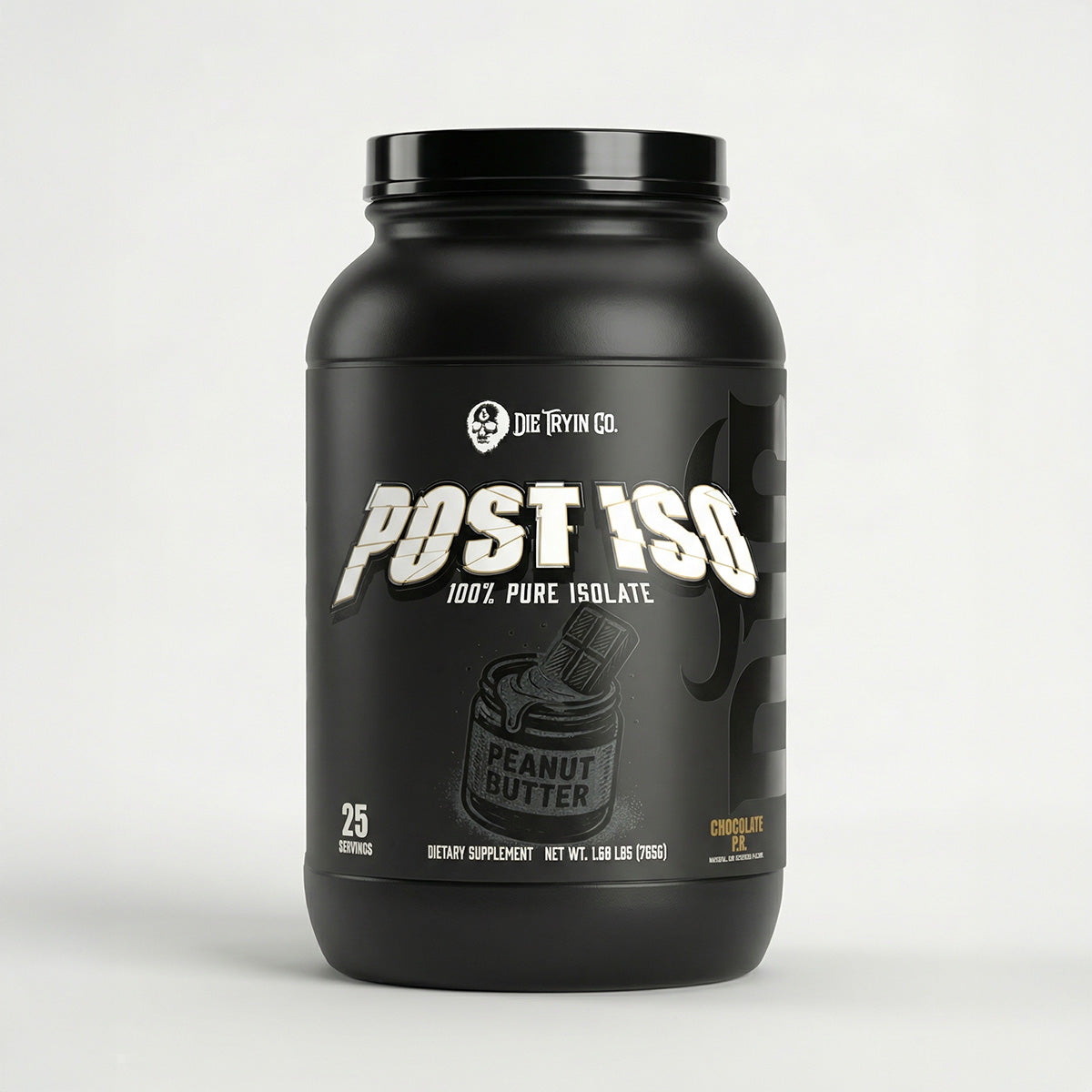
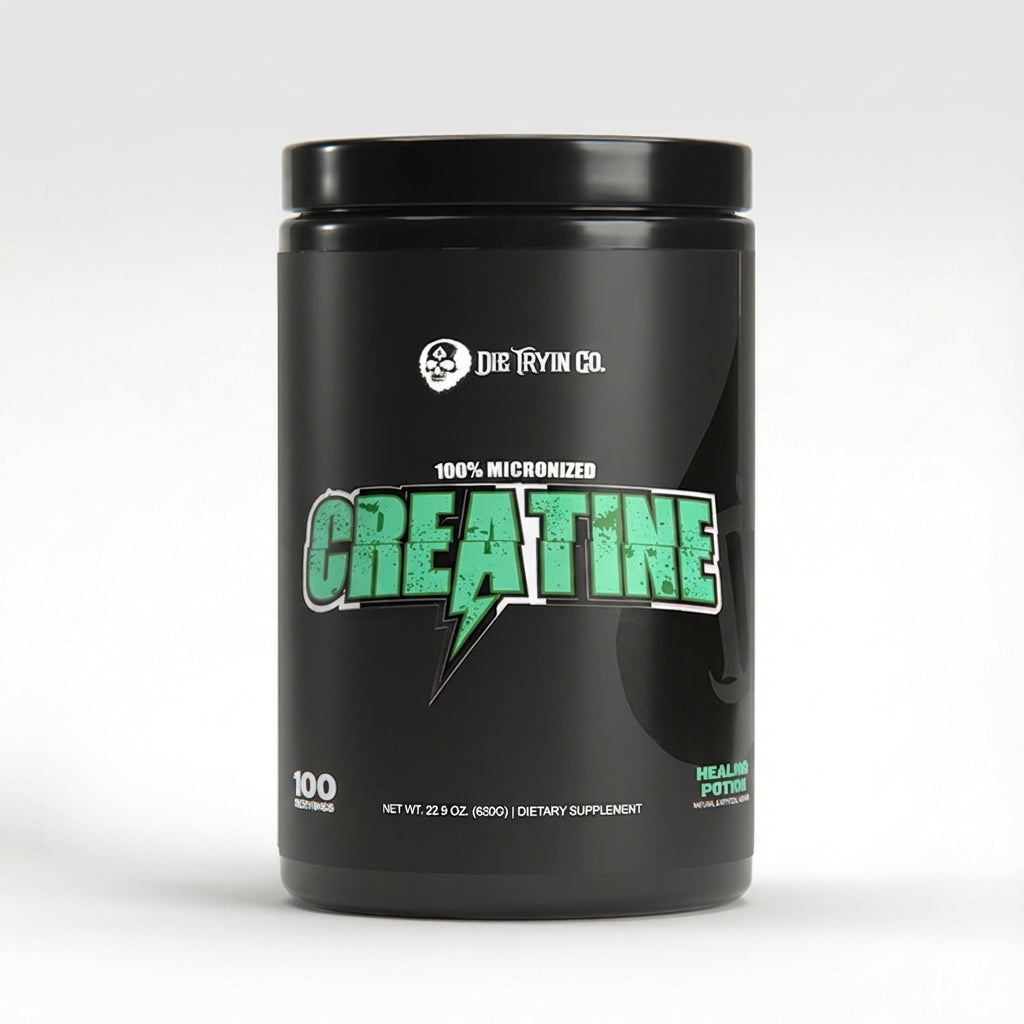
Train smart, recover smarter. Support muscle repair with Post Iso, back your output with creatine monohydrate, or take the quiz to build a stack around your goals.
ALWAYS FORWARD.
Read more
IFBB Pro Chet Nichols's FST-7 back workout — seven sets of straight-arm pulldowns to stretch and grow your lats. The protocol, the form, and the honest science.

Baked pumpkin chocolate chip protein donuts with a cream cheese protein frosting — easy, high-protein, and dialed for your goals.
The essentials
Share details of your store's product selection, or share a story that speaks to your customers.