

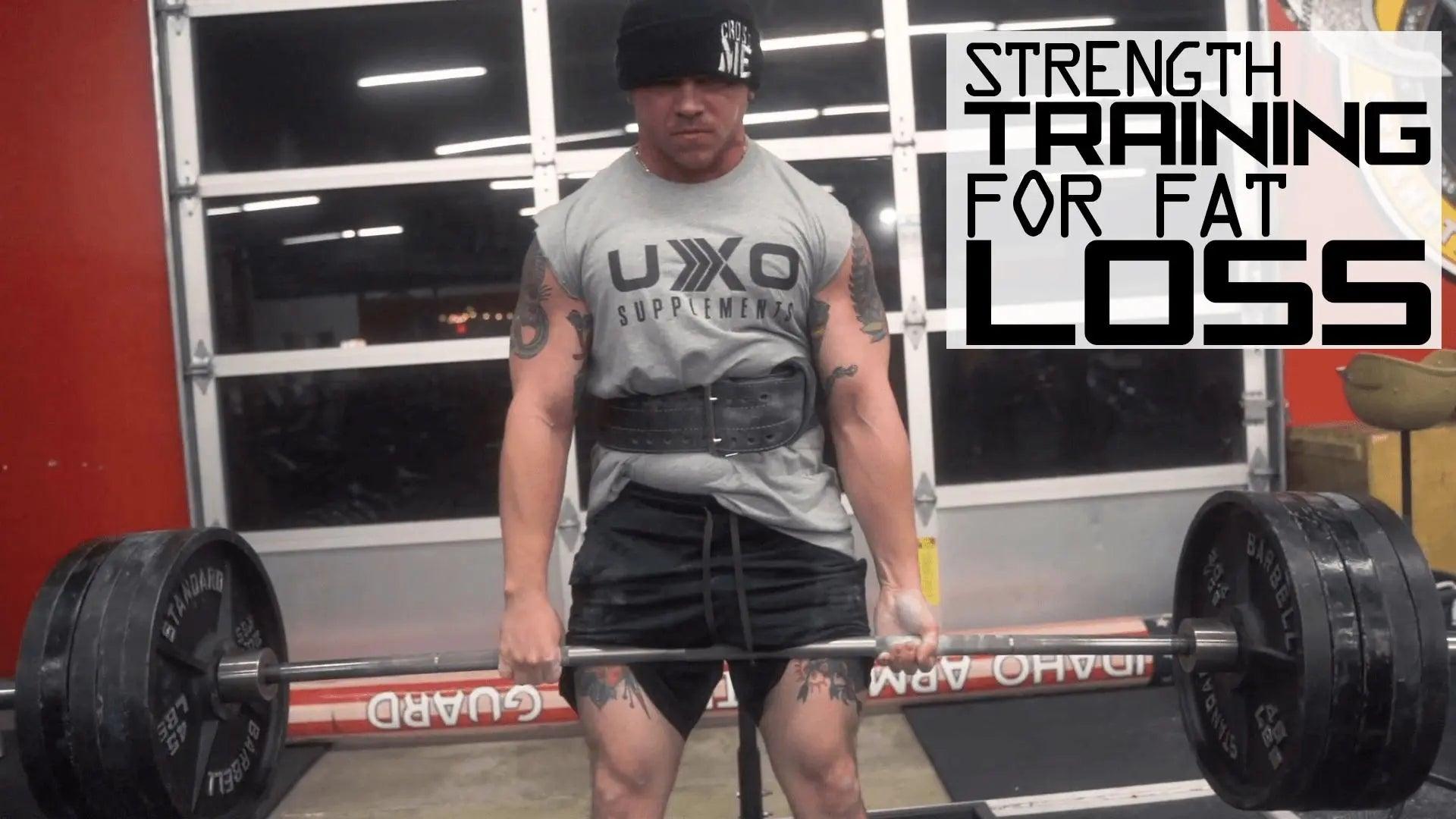
Strength Training for Fat Loss: Don't Skip the Weights
By Jon Klipstein, U.S. Army Combat Veteran & Founder of Die Tryin Co., and Kyle Panela, Transformation Coach & NPC Men's Physique Competitor
Science reviewed by Onur Oncer, BS Physiology (Phi Beta Kappa) and peer-reviewed published researcher.
THE MYTH: LIFTING RUINS A CUT
Here's the truth: somewhere along the way, people decided you shouldn't lift weights when you're trying to lose fat. Worse, they decided it's counterproductive — that it'll stall your results or bulk you up while you're trying to lean out.
That couldn't be more wrong. Dropping the weights during a cut is one of the fastest ways to lose the wrong kind of weight. Let's get informed.
THE CLAIM VS. THE REALITY
| The Myth | The Reality |
|---|---|
| Lifting stalls fat loss | Lifting preserves the muscle that keeps fat loss working |
| Cardio is better for fat loss | Cardio burns more during; lifting protects your metabolism after |
| You'll bulk up while cutting | You can't build much muscle in a deficit — you preserve it |
| A deficit alone is enough | A deficit decides if you lose; lifting decides what you lose |
MUSCLE IS YOUR METABOLIC ENGINE
Strength training builds and preserves lean muscle, and muscle is metabolically active tissue — it costs calories just to exist. More muscle nudges up your Basal Metabolic Rate (BMR), the calories you burn at rest over 24 hours.
Let's be honest about the size of that effect: a pound of muscle burns only a handful of extra calories a day at rest, so don't expect lifting to torch fat through BMR alone. The bigger story is the flip side. When you diet without lifting, a chunk of the weight you lose is muscle — and losing muscle drags your metabolic rate down, which is exactly how a cut stalls. Strength training is what stops that bleed. You're not just adding a little engine; you're protecting the engine you've already built.
WHAT THE RESEARCH ACTUALLY SHOWS
This isn't gym-bro theory. The International Society of Sports Nutrition's position stand on diets and body composition is clear that during a calorie deficit, resistance training paired with adequate protein is what preserves lean mass and shapes the body you actually want. And a 2021 umbrella review on exercise and body composition found that training meaningfully improves body composition during weight management — not just the number on the scale, but the fat-to-muscle ratio underneath it.
Translation: the deficit makes you lose weight; the lifting makes sure that weight is fat, not muscle.
CARDIO VS. STRENGTH — THE HONEST BREAKDOWN
Let's give cardio its due. Minute for minute, a steady cardio session usually burns more calories during the workout than a lifting session of the same length. That part of the old belief is true. There's also a small "afterburn" effect from hard training — Excess Post-Exercise Oxygen Consumption (EPOC) — but be realistic: it's a modest bonus, not a hidden furnace.
So strength training's advantage isn't that it burns more total calories — it's what it protects while you're in a deficit. Pure cardio and a big calorie cut, with no resistance training, tends to strip away muscle alongside the fat, leaving you smaller but soft and with a slower metabolism. Lifting flips that. It's the difference between "skinny-fat" and lean and strong. If holding onto your hard-earned muscle is the goal, our guide on how to maintain muscle while cutting goes deeper.
THE OPTIMAL FAT-LOSS PLAN
You don't have to choose between weights and cardio — the best plan uses both, on purpose:
- Lift consistently. A real strength program built on compound movements is the non-negotiable that protects your muscle and metabolism.
- Add aerobic work for the burn. Use cardio as a tool to widen your calorie deficit, not as your whole plan.
- Eat in a deficit, high in protein. The deficit drives the fat loss; the protein plus lifting decides it comes off as fat. For the eating side, start with how to burn fat faster and 2 steps to fat-loss success.
Strength training plus aerobic activity plus a dialed-in diet — that's the optimal weight-loss plan. Don't skip the weights.
FREQUENTLY ASKED QUESTIONS
Should I lift weights while trying to lose weight?
Absolutely. Lifting during a calorie deficit is what preserves your muscle and protects your metabolism, so the weight you lose comes off as fat rather than muscle. Skipping it is how people end up smaller but soft.
Is cardio or strength training better for fat loss?
They do different jobs. Cardio burns more calories during the session and helps widen your deficit. Strength training preserves the muscle that keeps your metabolism up. The best fat-loss plan uses both — not one or the other.
Will lifting weights make me bulk up while cutting?
No. Building significant muscle requires a calorie surplus, and you're in a deficit. While cutting, lifting works to preserve the muscle you have, not add a bunch of new size. You'll get leaner and harder, not bigger.
Does building muscle really speed up your metabolism?
It helps, but modestly — a pound of muscle burns only a few extra calories a day at rest. The bigger benefit is preventing the metabolic slowdown that comes from losing muscle when you diet without resistance training.
How many days a week should I lift while losing fat?
Three to four solid strength sessions a week is plenty for most people, built around compound lifts. Add some cardio around it and keep your diet in a moderate deficit, and you've got a complete plan.
READY TO GEAR UP?
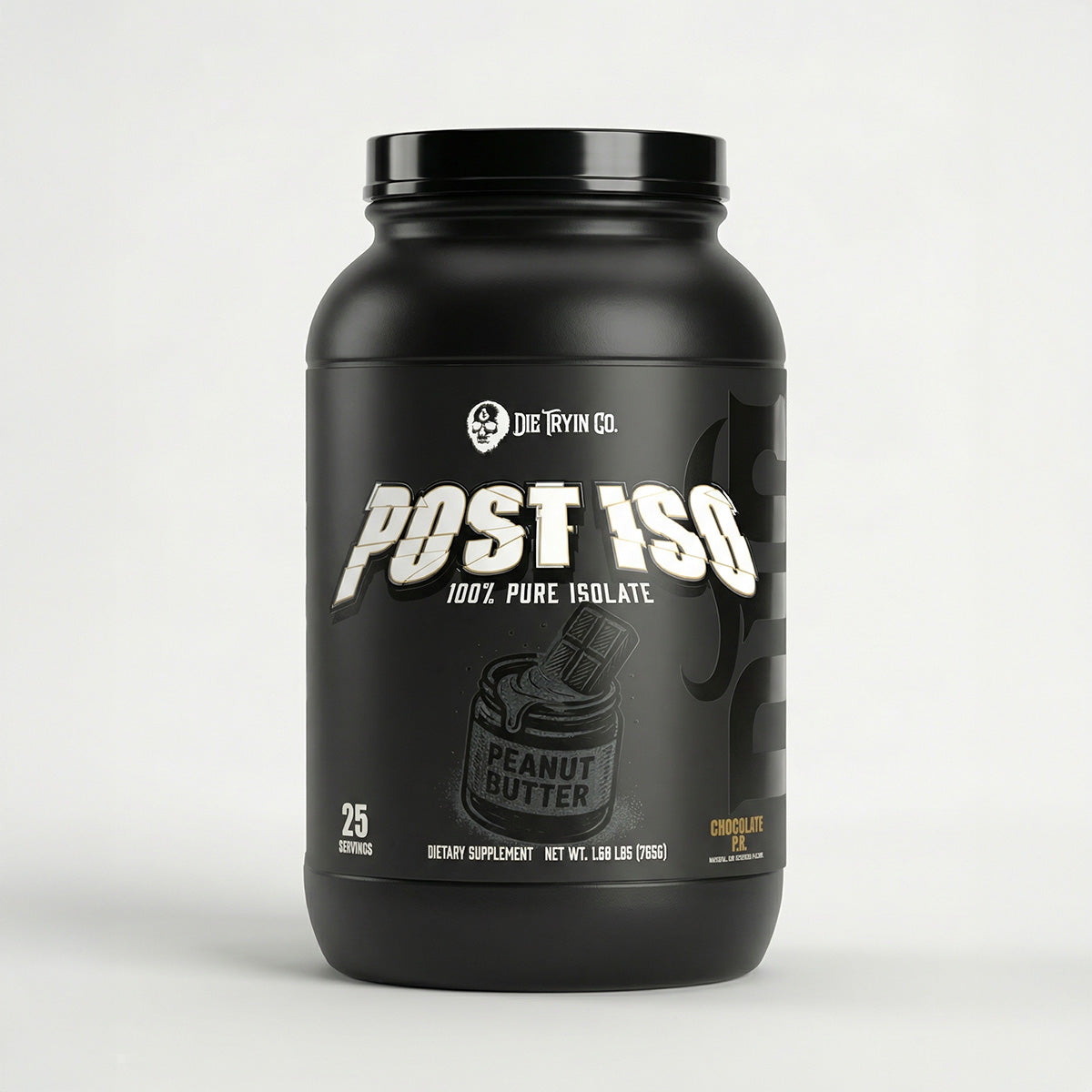
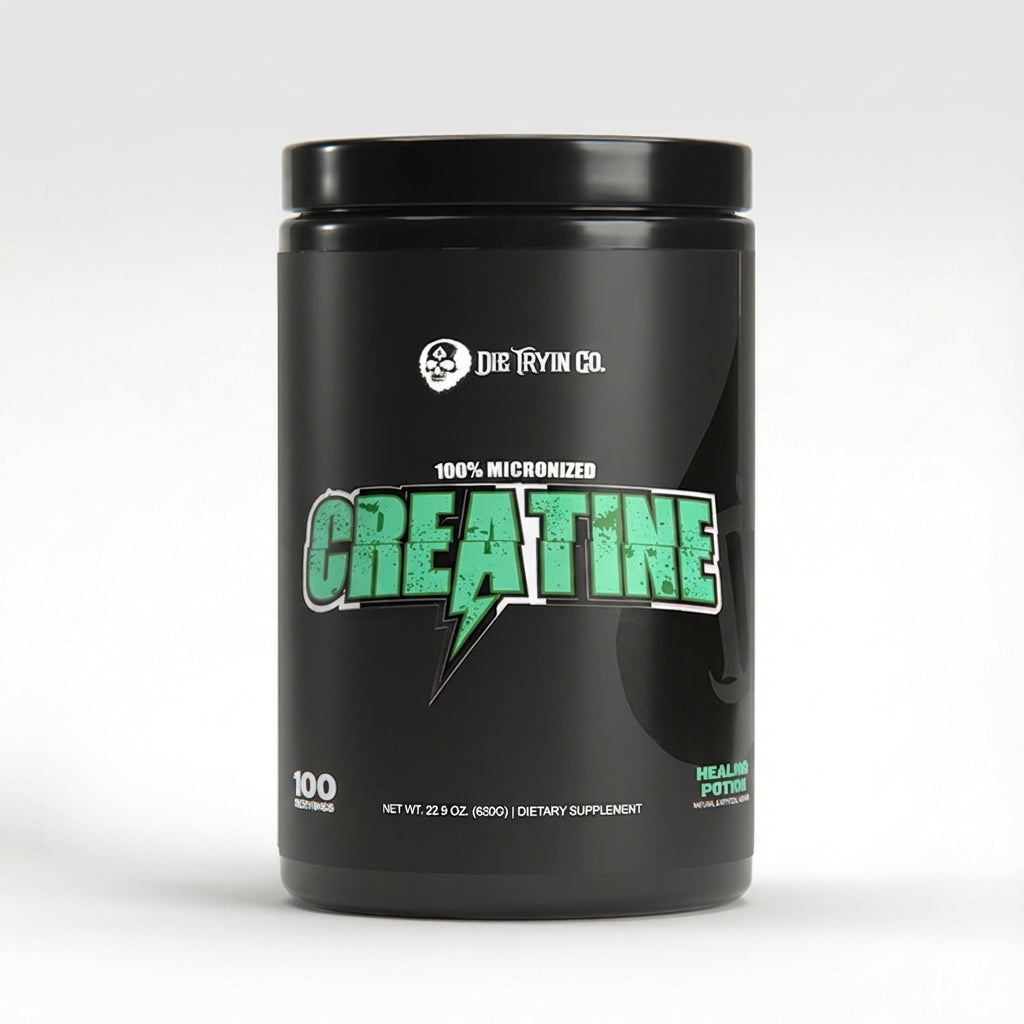
Lose the fat, keep the muscle. Hit your protein target with Post Iso whey isolate, support your strength on a deficit with creatine monohydrate, or take the quiz to build a stack around your goals.
ALWAYS FORWARD.
Read more
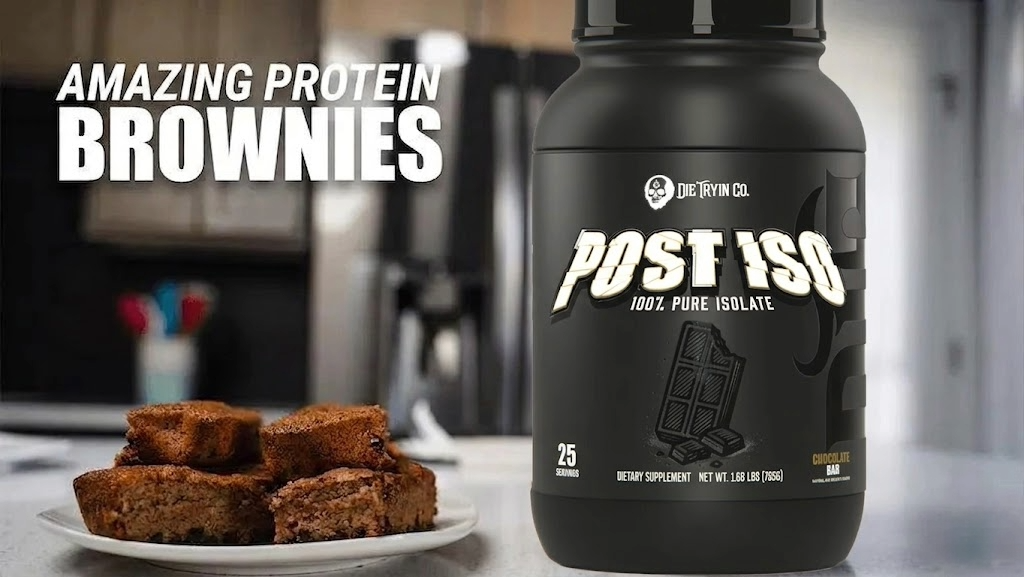
An easy classic-style protein brownie recipe using pantry ingredients, applesauce as the moisture trick, and Post Iso Chocolate Bar for a protein bump.

You probably already know that staying hydrated plays an integral role in our health and overall existence as human beings. As it turns out, water makes up about 60% of the adult human body and is...

The essentials
Share details of your store's product selection, or share a story that speaks to your customers.