Leg & Booty Day: Hip Thrusts for Bigger Glutes
By Jon Klipstein, U.S. Army Combat Veteran & Founder of Die Tryin Co., and Jenna Fiscus, Die Tryin Co. Athlete & Coach
Protocol verified by Jenna Fiscus, Die Tryin Co. Athlete & Coach.
Science reviewed by Onur Oncer, BS Physiology (Phi Beta Kappa) and peer-reviewed published researcher.
Note: this video is from our UXO Supplements era — we've since rebranded to Die Tryin Co. Same team, same standards, same athletes.
BIKINI SEASON ISN'T POSTPONED
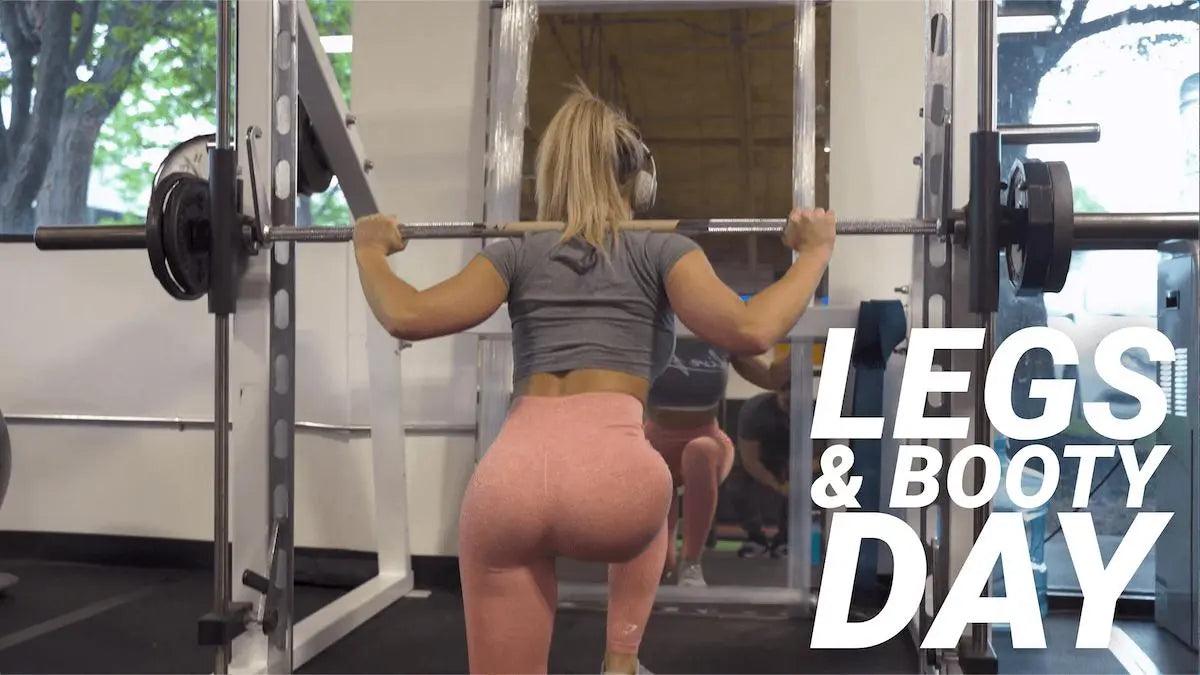
As Jenna puts it: a lot of things get canceled or postponed, but one thing that never does is bikini season. Summer shredding doesn't wait, so this is your sign to get off the couch and into the gym. The plan today is simple and brutal — a leg-and-booty day built on the single best glute exercise there is: the hip thrust.
This isn't a few half-hearted bridges. It's seven movements that hit the glutes from every angle — heavy hip extension, isometric holds, banded abduction, and a couple of leg finishers — to build a stronger, firmer backside. Here's the full session, why it's ordered the way it is, and how to run it right.
THE WORKOUT AT A GLANCE
| Exercise | Sets × Reps | Focus |
|---|---|---|
| Barbell hip thrust | 5 × 5 | Glutes (heavy) |
| Glute bridge (floor) | 5 × 10 | Glutes |
| Glute plank hold | 3 × 30–60 sec | Glutes, core (isometric) |
| Glute bridge abduction | 3 × 20 | Glute medius, abductors |
| Close-stance squat | 3 × 12–20 | Quads, glutes |
| 1.5-rep lunges | 3 × 5 | Legs, glutes |
| Banded side steps | 3 × 15 | Glute medius, abductors |
WHY HIP THRUSTS LEAD THE DAY
There's a reason the heaviest, freshest work goes to the hip thrust. According to a 2015 study in the Journal of Applied Biomechanics, the barbell hip thrust produced significantly greater glute activation than the back squat — roughly double the upper-glute engagement at matched loads. The hip thrust loads the glutes exactly where they're strongest: at full hip extension, the top of the movement.
Honest caveat: that study measured muscle activation, not long-term growth, and the researchers themselves noted that training studies are still needed to confirm it translates to more size. But high activation on a movement you can load heavily and progress over time is a strong recipe — which is why the hip thrust earns the top spot, with everything else built around it. This same logic shows up across the glute-training research: a glute-activation focus beats just moving weight around.
THE WORKOUT, MOVE BY MOVE
The session flows from heavy to high-rep: build first, burn out last. Here's how each block works.
The heavy glute builders
- Barbell hip thrust (5×5): the anchor. Drive through your heels, push your hips all the way up to full extension, and squeeze the glutes hard at the top. Keep your chin tucked and ribs down so the work stays in the glutes, not the lower back. Low reps and heavier load here — this is your strength piece.
- Glute bridge from the floor (5×10): the same hip-extension pattern, off the floor, for higher reps. With your shoulders down rather than up on a bench, the range is shorter, so you can chase a relentless squeeze on every rep. Pause at the top of each one.
The activation and abductor work
- Glute plank hold (3×30–60 sec): an isometric hold that forces the glutes and core to stay locked under tension. Squeeze the glutes the entire time — don't just hang out in the position.
- Glute bridge abduction (3×20): a bridge where you press your knees out (against a band) at the top. That outward press brings in the glute medius — the side-glute that builds the rounded "shelf" and stabilizes your hips.
- Banded side steps (3×15): the classic glute-medius burner. Stay low in a quarter-squat, keep tension on the band, and step with control. For the full case on why this side-glute matters, see activating your hip abductors.
The leg finishers
- Close-stance squat (3×12–20): a narrower stance shifts more load onto the quads while still hammering the glutes through a deep range. Go all the way down and drive up.
- 1.5-rep lunges (3×5): a full lunge plus a half rep before you stand all the way up. That extra half rep doubles the time in the hardest part of the range and lights up the glutes and quads. Five "reps" feels like ten.
For a full lower-body day to alternate this with, Jenna's leg & glute day covers the rest of the week.
COMMON MISTAKES TO AVOID
The exercises only work if the execution does. The four mistakes that quietly kill glute days:
- Stopping short of full hip extension. On thrusts and bridges, the top of the rep — full lockout with a hard squeeze — is the whole point. Cutting it short trains everything but the glutes.
- Arching the lower back instead of squeezing. If you feel thrusts in your lower back, you're hyperextending. Tuck the ribs down, posteriorly tilt the pelvis, and let the glutes do the lockout.
- Going too heavy to squeeze. If the load forces you to grind and lose the squeeze, it's too much. Glutes respond to tension and contraction, not just a big number on the bar.
- Rushing the banded work. Side steps and abductions aren't filler — they're where the glute medius gets built. Slow down and keep constant tension on the band.
HOW TO PROGRAM IT
Run this as a dedicated leg-and-booty day once or twice a week, with at least a day of recovery between hard glute sessions. To keep progressing, add a little load to the hip thrusts and bridges over time, and add reps or a heavier band to the activation work — that's progressive overload doing its job. Slot it into your week with our workout split guide.
One honest note on "bikini season": this workout builds the glute muscle, but seeing it lean and defined comes down to body fat. Train hard here, then handle the diet side — our 2 steps to fat-loss success covers the part that actually reveals the work.
FREQUENTLY ASKED QUESTIONS
Are hip thrusts the best exercise for glutes?
They're one of the best. Research shows the barbell hip thrust produces very high glute activation — more than the back squat — and it's easy to load and progress. The best glute program still pairs hip thrusts with bridges, lunges, and abductor work to hit the muscle from every angle.
How often should I train glutes?
One to two focused sessions a week works for most people, with a recovery day between. The glutes recover well, but they still need rest to grow — quality and progression matter more than frequency.
Can you build glutes without heavy weights?
Yes. Bands, floor bridges, holds, and high-rep work all build the glutes when you take them close to failure with a hard squeeze. Adding load speeds things up, but activation and tension are what drive the result.
What do banded side steps and bridge abductions do?
They target the glute medius — the side-glute that builds the rounded upper-glute shelf and stabilizes your hips and knees. It's a commonly weak area, so the banded work is doing real, specific work.
What is a "1.5-rep" lunge?
You perform a full lunge, come halfway up, go back down, and then stand all the way up — that counts as one rep. It doubles the time spent in the hardest part of the range, so a few reps deliver a lot of work.
How do I get firmer glutes for summer?
Two parts: build the muscle with focused training like this, and lower your body fat enough to reveal it. The training shapes the glutes; the diet uncovers them. You need both.
READY TO GEAR UP?
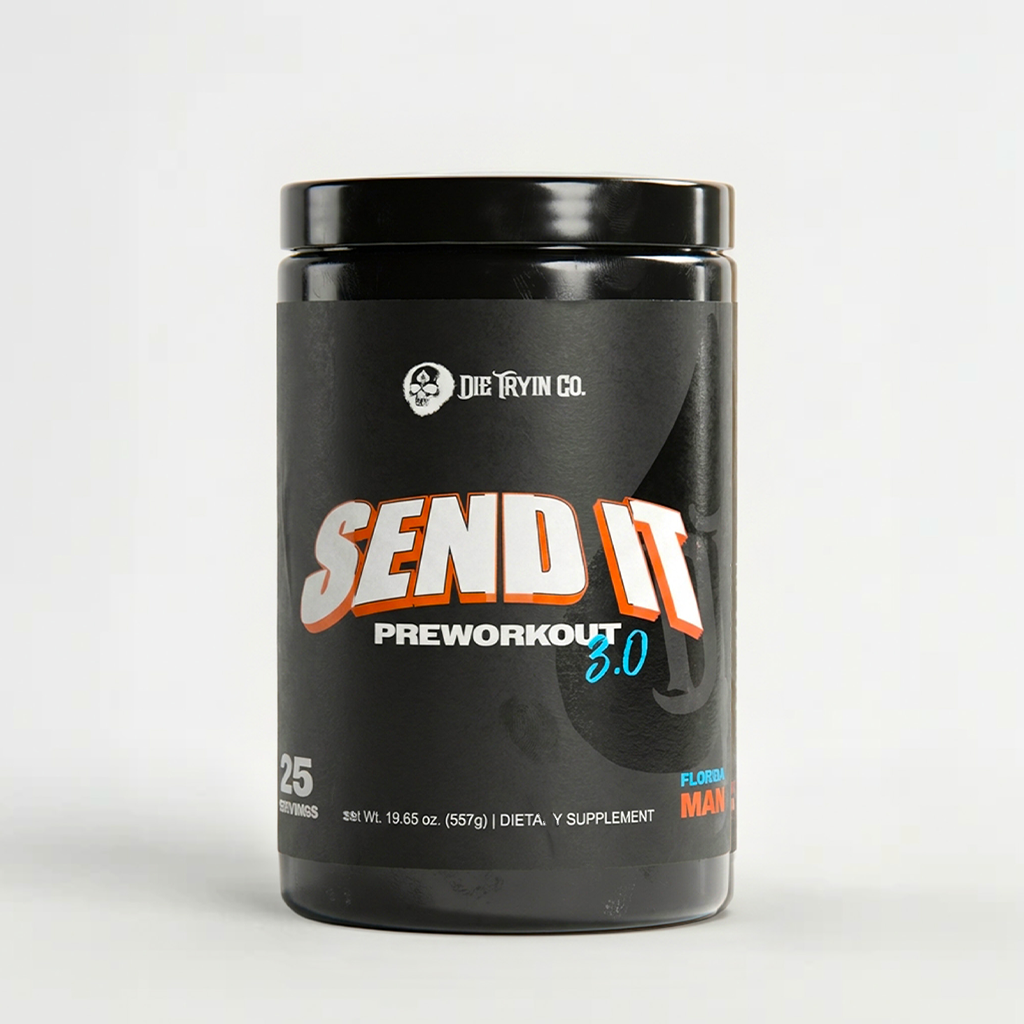
Get off the couch, build the work, and earn the summer. Prime your session with SEND IT 3.0, recover with Post Iso, or take the quiz to build a stack around your goals. And use Jenna's code BODYSHOP for 10% off.
ALWAYS FORWARD.
Read more

A 5-minute chocolate peanut butter protein mousse — 41g protein per serving, no cooking, real dessert texture from cottage cheese and whey isolate.
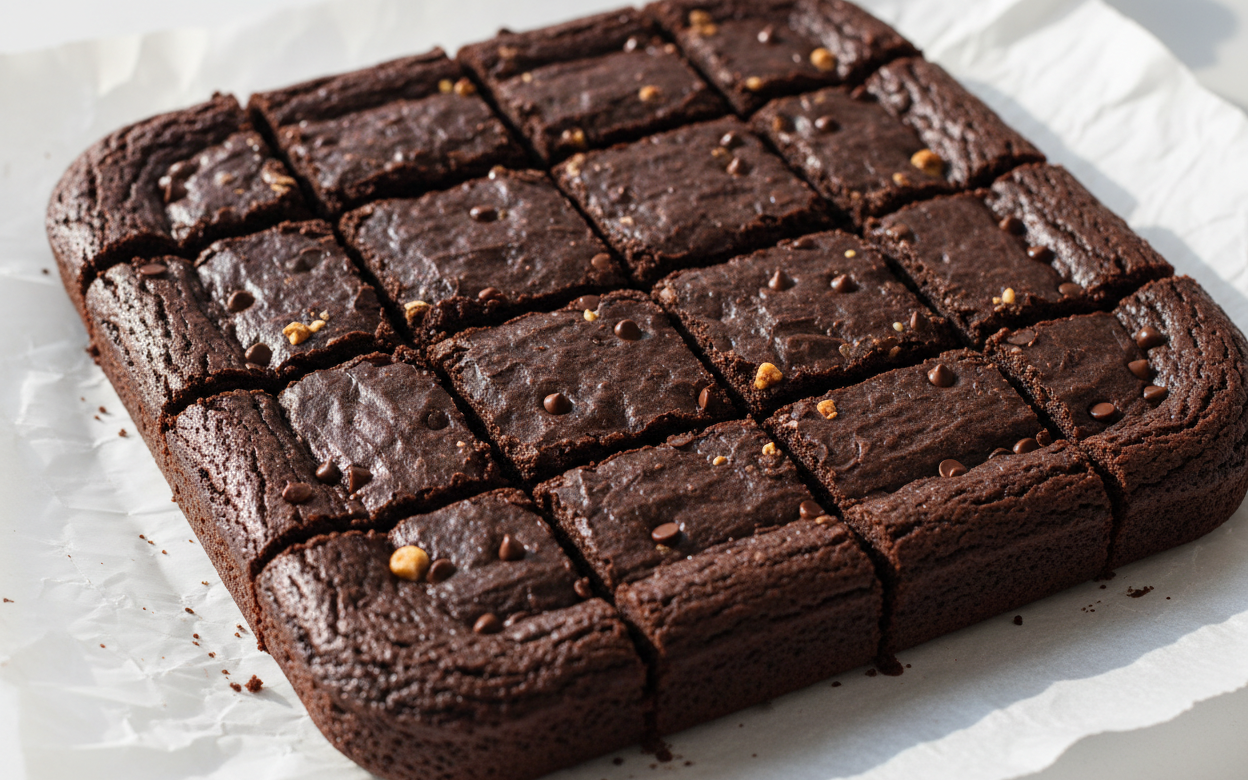
Fudgy, high-protein brownies you can feel good about — an easy recipe made with whey isolate to crush the chocolate craving and keep your gains.
The essentials
Share details of your store's product selection, or share a story that speaks to your customers.