Activating Hip Abductors: Build the Weak Spot
By Jon Klipstein, U.S. Army Combat Veteran & Founder of Die Tryin Co., and Jenna Fiscus, Die Tryin Co. Athlete & Coach
Protocol verified by Jenna Fiscus, Die Tryin Co. Athlete & Coach.
Science reviewed by Onur Oncer, BS Physiology (Phi Beta Kappa) and peer-reviewed published researcher.
Note: this video is from our UXO Supplements era — we've since rebranded to Die Tryin Co. Same team, same standards, same athletes.
TURN YOUR WEAK SPOT INTO A STRENGTH
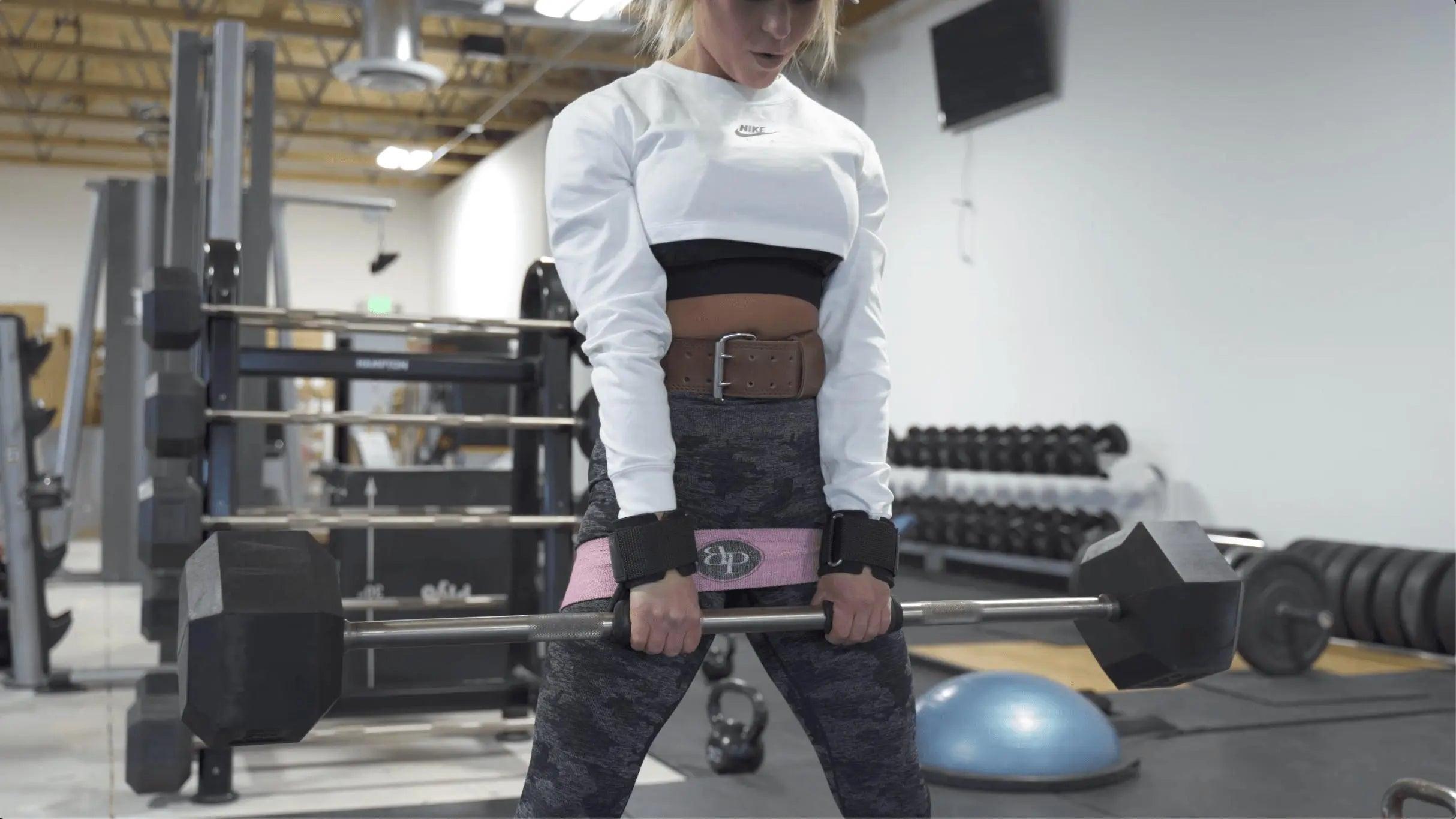
For most people, the hip abductors — the muscles on the outside of the hip — are an afterthought. They shouldn't be. They're the side-glute that builds the shelf, and they're the stabilizers that protect your knees. Jenna calls this area her own weak spot, so this leg-and-booty day hits it hard, with bands on nearly every move to keep the abductors firing.
Here's the full session, why it matters more than you think, and how to run it.
THE WORKOUT AT A GLANCE
| Exercise | Sets × Reps | Focus |
|---|---|---|
| Banded 1.5-rep sumo squats | 4 × 5 | Glutes, abductors |
| Sumo deadlifts (kettlebell) | 5 × 10 | Glutes, hamstrings |
| Barbell deadlifts | As programmed | Posterior chain |
| Shrimp squats | 4 × 10 | Single-leg, quads/glutes |
| Banded abductor 21s | 3 × 21 | Hip abductors |
| Glute kickback 21s | 3 × 21 | Glutes |
| Side lunges | 3 × 10–15 | Abductors, adductors |
WHY ABDUCTORS MATTER — BEYOND THE BOOTY
Strong hip abductors aren't just about the side-glute shelf. They stabilize your knees and pelvis every time you walk, run, or squat. According to a 2016 military meta-analysis in the Journal of Athletic Training, warfighters with knee overuse injuries tended to have weaker hip abductors than those without. The research shows an association — not proof that weak abductors cause the injuries — but shoring up a known weak link is smart insurance, especially for your knees. That's why making this "weakness a strength," as Jenna puts it, is worth the work.
HOW THE SESSION WORKS
The theme is constant tension on the abductors, and the bands are the tool. Anytime you see a band — around the knees on the squats, the 21s, the kickbacks — it forces the abductors to fire to hold position. A few notes on the trickier moves:
- 1.5-rep sumo squats: a full rep plus a half rep before you stand all the way up — double the time in the hardest part of the range.
- "21s": seven reps through the bottom half of the range, seven through the top half, then seven full reps. Brutal, and it loads the muscle everywhere.
- Shrimp squats: an advanced single-leg squat holding your rear foot behind you. Scale to a split squat if you're not there yet.
- Side lunges: the finisher that hits both the abductors and the inner-thigh adductors through a wide range.
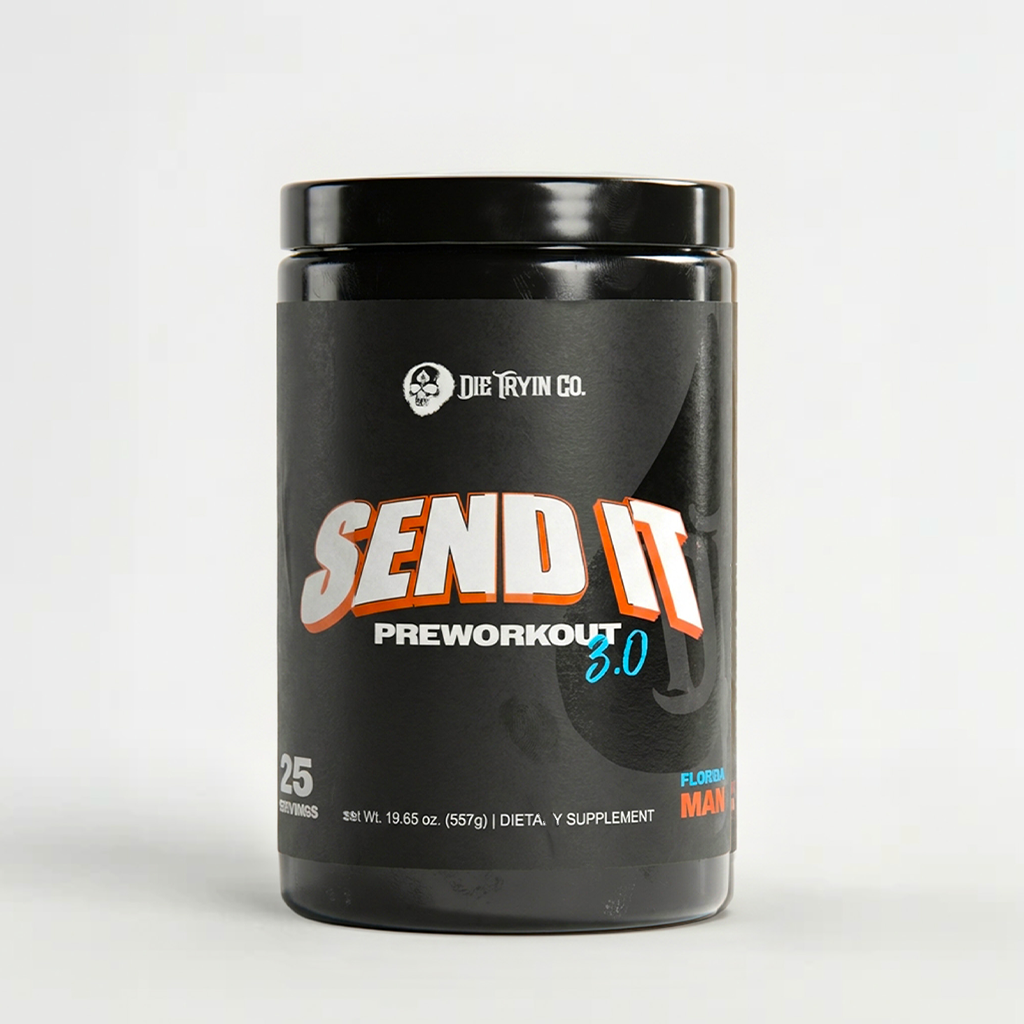
On the supplement side, Jenna runs SEND IT 3.0 pre-workout for the pump and blood flow into the muscles, then EAAs after — the essential aminos that drive muscle repair until her next real meal. Neither replaces hitting your daily protein, but both are easy peri-workout support. For the activation principle behind all the banded work, see proper glute activation, and pair this with Jenna's leg & glute day for a full week.
FREQUENTLY ASKED QUESTIONS
What do your hip abductors do?
They move your leg out to the side and, more importantly, stabilize your knee and pelvis during walking, running, and squatting. The glute medius is the main one — it's also what builds the side-glute "shelf."
Why are strong hip abductors important?
Beyond the aesthetic, research associates weak hip abductors with knee overuse injuries. Strengthening them supports knee and pelvic stability, which can help you stay healthy and train harder.
How do you train hip abductors?
Banded work is the go-to — banded squats, side-lying or standing abductions, glute kickbacks, and side lunges. The band keeps constant tension on the muscle, which is exactly what activates it.
What are "21s" in a workout?
A rep scheme of 21 total: seven partial reps in the bottom half of the range, seven in the top half, then seven full reps. It accumulates a ton of tension and is brutal on smaller muscles like the abductors.
Can you build glutes and hip abductors at the same time?
Yes — the glute medius is both a hip abductor and a major glute muscle, so banded squats, kickbacks, and lunges build the shelf and the stability together.
READY TO GEAR UP?
Build the weak spots, protect the joints, keep moving. Prime your training with SEND IT 3.0, recover with EAAs, or take the quiz to build a stack around your goals. And use Jenna's code BODYSHOP for 10% off.
ALWAYS FORWARD.
Read more
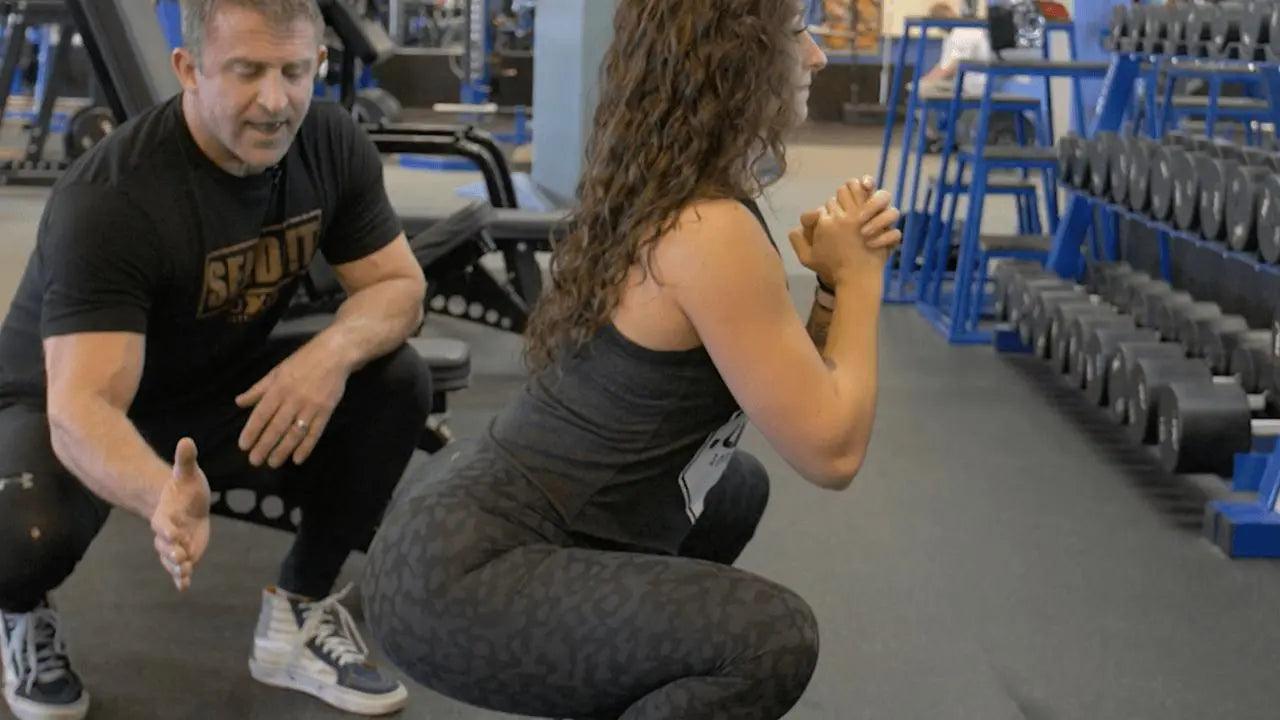
IFBB Pro Chet Nichols shows how to actually engage your glutes in goblet squats — slow down, pause, squeeze. Less weight, more glute growth.
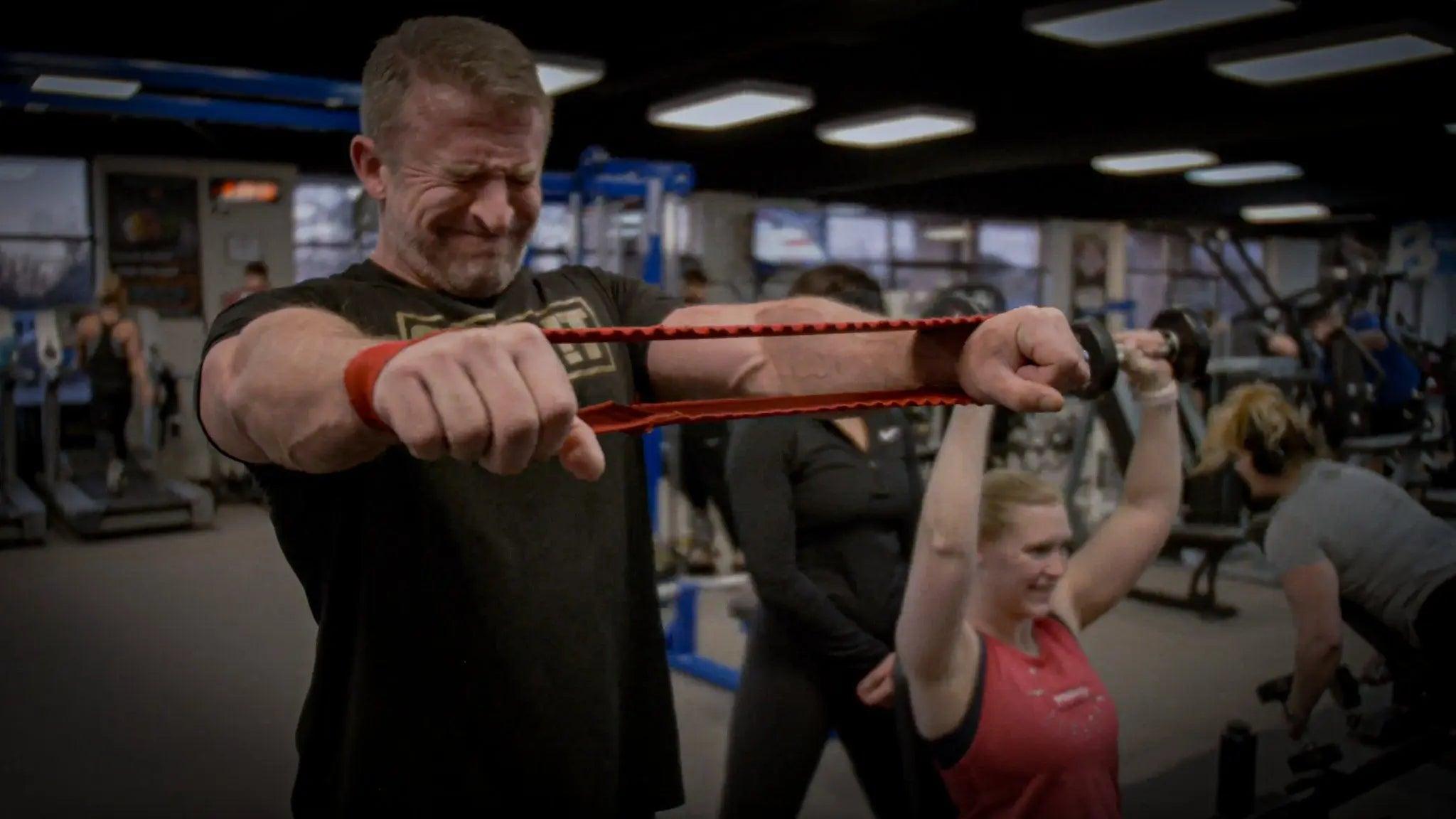
DTC trainer Chet Nichols walks you through his shoulder day — tempo-driven working sets, reverse-grip overhead press, the brutal FST-7 lateral protocol, and why he saves rear delts for back day.
The essentials
Share details of your store's product selection, or share a story that speaks to your customers.